
Sleep Apnea Treatment by Dentists: Complete Guide
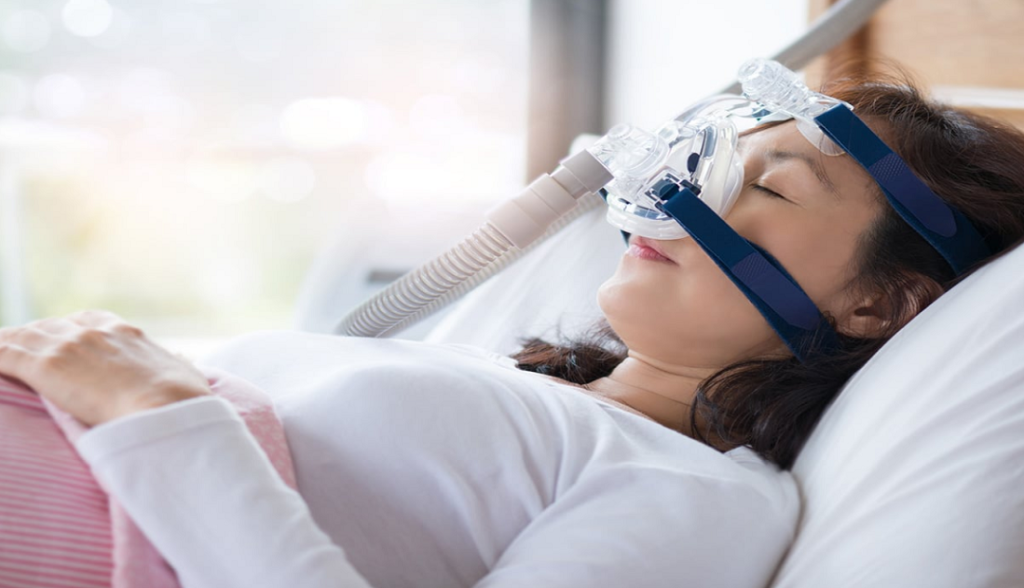
Sleep apnea is not just snoring. It is a severe disorder that influences the respiration at the time of sleep and can influence the general health in various aspects. Although most individuals use sleep specialists and sleep equipment such as CPAP as synonymous with the treatment of sleep apnea, dentists are increasingly assuming significant roles in treating sleep apnea.
As a matter of fact, dentists are always the first people to detect symptoms of sleep apnea when giving regular checkups. Through the assistance of modern dental techniques and tailor made oral devices, dentists can offer effective and comfortable treatment options to most patients.
This guide describes the role of dentists in treating sleep apnea, available options and what to expect of dental-based care.
What Is Sleep Apnea?
Sleep apnea is a disease in which breathing is interrupted and resumes many times. These stops may take a couple of seconds to a minute and they might take place numerous times throughout the night.
Obstructive sleep apnea (OSA) is the most prevalent one. It occurs when muscles in the throat loosen excessively, and the airway narrows or gets blocked. In this case, the airflow ceases, oxygen levels decrease and the brain briefly makes the body resume breathing.
These interruptions are not remembered by most individuals, yet they do not allow individuals to have deep and restful sleep.
Why Dentists Are Involved in Sleep Apnea Treatment
You may wonder, why a dentist would treat sleep disorder. The solution is in the form of the mouth and airway structure.
Dentists are educated to examine:
- Jaw alignment
- Tongue position
- Airway space
- Teeth wear patterns
A dentist can observe signs during an ordinary exam, which include teeth grinding, narrow airway, or scalloped tongue. All these may lead to potential sleep apnea.
Owing to this, dentists will tend to aid in early detection and collaborate with sleep experts to aid in the condition.
Common Signs That May Lead You to a Dentist
A large number of patients refer to a dentist with the problems that are, in fact, connected with sleep apnea. These include:
√ Chronic teeth grinding (bruxism)
√ Pain or tightness in the jaw.
√ Morning headaches
√ Dry mouth in the morning.
√ Damaged or old teeth.
In case you have the symptoms, your dentist might inquire about your sleeping patterns, snoring, and daytime drowsiness.
How Sleep Apnea Is Diagnosed
The final diagnosis of the sleep apnea is not done by dentists, but they play an important role in risk identification and refer patients to appropriate testing.
In case of suspicion of sleep apnea, the patient is sent to a sleep study which can be carried out at a sleep center or at home with a portable device.
The study monitors:
√ Breathing patterns
√ Oxygen levels
√ Heart rate
√ Sleep cycles
After diagnosis, severity of sleep apnea will assist in choosing the most appropriate treatment.
Sleep Apnea Treatment Options by Dentists
The primary emphasis of dentists is on oral appliance therapy that is the non-invasive and comfortable option to the conventional treatments.
1. Oral Appliance Therapy
Oral appliances are specially designed devices which are worn in the mouth when sleeping. They resemble mouthguards but are specially set to maintain a clear airway.
They are of two major types:
Mandibular Advancement Devices (MADs)
These machines softly push the lower jaw forward. This aids in maintaining the airway clear by not allowing the throat to collapse.
Tongue-Retaining Devices
Benefits of Dental Sleep Apnea Treatment
Comfortable and Easy to Use
Oral appliances are small and can fit in the mouth unlike large machines.
Portable
They are convenient, and can be carried anywhere.
Quiet
No machine noise, and this enhances the quality of sleep of both the patient and his partner.
Better Compliance
A considerable number of patients find it easier to adhere to oral appliances than CPAP machine.
Who Is a Good Candidate for Oral Appliances?
Treatment of dental sleep apnea works best in:
- Mild to moderate sleep apnea.
- Patients who are not able to tolerate CPAP.
- Individuals that like a non-invasive alternative.
In extreme cases, dentists can collaborate with sleep experts to combine therapies.
Oral Appliances vs CPAP: What’s the Difference?
The standard of treatment of sleep apnea is considered to be CPAP (Continuous Positive Airway Pressure) machines. They make the airway open by the force of air pressure.
Nevertheless, CPAP is not comfortable or easy to wear to some patients.
Alternatives: Oral appliances can be used:
Feature | Oral Appliance | CPAP |
Comfort | High | Moderate |
Noise | Silent | Can be noisy |
Portability | Easy to carry | Bulky |
Ease of use | Simple | Requires setup |
The Process of Getting a Dental Sleep Appliance
Step 1: Consultation
Step 2: Custom Design
Step 3: Fitting and Adjustment
Step 4: Follow-Up
Are There Any Side Effects?
Oral appliances are easily adapted by most patients. Nevertheless, others might have:
- Mild jaw discomfort
- Dry mouth or too much saliva.
- Minor alterations in bite (uncommon and can be treated)
Regular follow-ups help address these issues early.
The Role of Dentists in Long-Term Management
Dentists are not just device providers. They assist in keeping track of your progress and keep your treatment effective.
They may:
- Make adjustments on the appliance accordingly.
- Examine teeth grinding or wear.
- Monitor jaw health
- Consult sleep experts to continue treatment.
This coordinating method is more guaranteed to yield superior long-term outcomes.
Lifestyle Changes That Support Treatment
Dental care is most effective in conjunction with healthy lifestyles:
- Eat well.
- Avoid alcohol at night.
- Sleep in your side.
- Keep a regular sleeping schedule.
Such changes are capable of enhancing the overall outcomes.
When Should You See a Dentist?
You should consider consulting a dentist if you:
- Snore loudly
- Feel tired during the day
- Experience jaw pain or teeth grinding
- Wake up with dry mouth or headaches
Early intervention can prevent complications and improve sleep quality.
Final Thoughts
Sleep apnea is a serious condition, but effective treatment options are available. Dentists play a valuable role in identifying and managing this disorder, especially through oral appliance therapy.
If you are struggling with sleep or experiencing symptoms related to sleep apnea, seeking help from a dental professional can be a simple and effective first step.
Better sleep leads to better health—and that includes your oral health too.
Frequently Asked Questions (FAQs)
1. Could dentists deal with sleep apnea?
2. Do oral appliances work?
3. Does CPAP outperform oral appliances?
4. Are there side effects of oral appliances?
5. What are the durability of oral appliances?
6. Am I able to travel with an oral appliance?
7. Do I have to get a sleep study done?
8. Insurance coverage?
9. Do sleep apnea clear up?
10. When do I seek treatment?
In case you experience such symptoms as snoring, fatigue, or pauses in breathing.